
Introduction
If you’re a nurse, medical assistant, or healthcare professional looking to expand your clinical expertise, IV certification courses can significantly boost your career. Intravenous (IV) therapy is one of the most essential and in-demand medical procedures, widely used across hospitals, clinics, and wellness centers.
Whether you work in acute care, emergency medicine, or preventive wellness, IV therapy certification helps you perform procedures safely, confidently, and in compliance with healthcare standards. This guide covers everything you need to know—from course structure and requirements to job opportunities and benefits after certification.
What Is an IV Certification Course?
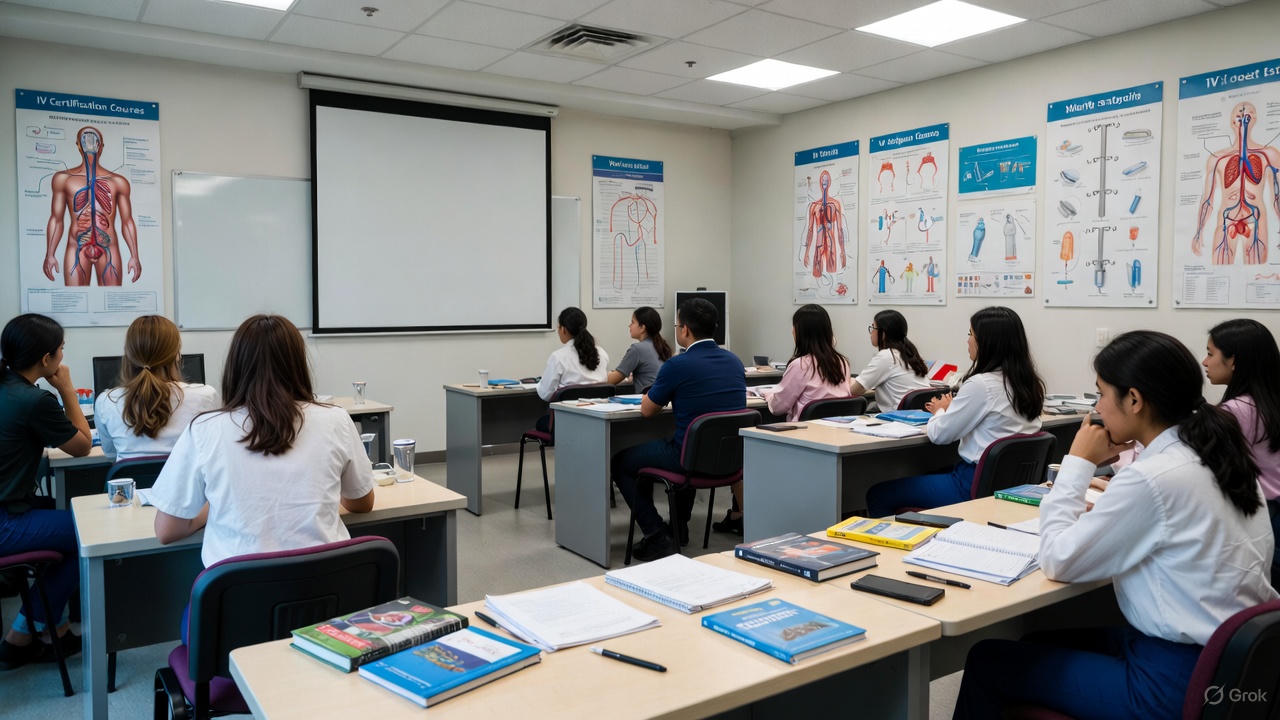
An IV certification course is a professional training program designed to teach medical personnel the proper techniques for intravenous therapy. Participants learn to insert and maintain IV lines, administer fluids and medications, and monitor patient responses.
The program typically includes a combination of theoretical lessons and practical hands-on experience. Key subjects often include anatomy and physiology, venipuncture techniques, aseptic practices, and the management of IV therapy complications.
By completing a certified course, healthcare workers ensure that they meet legal, ethical, and safety standards while improving patient care outcomes.
Why IV Certification Courses Matter in Healthcare
IV therapy has become a cornerstone of modern healthcare. It allows direct delivery of fluids, electrolytes, and nutrients into the bloodstream, helping patients recover faster and maintain optimal hydration.
Getting certified provides several advantages:
-
Career Advancement: Many healthcare facilities require IV-certified staff for infusion, emergency, and outpatient units.
-
Enhanced Safety: Certification ensures adherence to proper infection control and venipuncture protocols.
-
Professional Recognition: Employers and patients trust certified professionals who demonstrate competence in IV administration.
-
Expanded Job Opportunities: The growing popularity of IV hydration and vitamin therapy clinics has increased demand for trained IV professionals.
-
Regulatory Compliance: Certification keeps you aligned with current healthcare laws and facility standards.
Who Can Take the Course
IV training is suitable for a variety of healthcare roles. Typical participants include:
-
Registered Nurses (RNs)
-
Licensed Practical Nurses (LPNs)
-
Nurse Practitioners (NPs)
-
Paramedics and EMTs
-
Medical Assistants
-
Physician Assistants (PAs)
While most programs are designed for licensed professionals, introductory or theory-based IV courses may also be available for aspiring healthcare workers who want to gain background knowledge before entering the field.
What You’ll Learn During Training
The curriculum of an IV certification program is structured to cover both the science and practice of IV therapy. Common topics include:
1. IV Therapy Fundamentals
Understanding fluid balance, infusion types, and the purposes of IV administration.
2. Anatomy and Physiology
Learning vein anatomy, circulation, and correct site selection for IV placement.
3. Venipuncture Techniques
Developing skills in safe and efficient vein cannulation under guided supervision.
4. Infection Prevention and Control
Implementing aseptic techniques and avoiding contamination or needlestick injuries.
5. Fluid and Electrolyte Management
Studying the composition of IV fluids, their uses, and how to monitor patient responses.
6. Complication Recognition
Identifying and managing infiltration, phlebitis, extravasation, and allergic reactions.
7. Documentation and Legal Aspects
Maintaining accurate records, ensuring informed consent, and understanding scope of practice.
8. IV Therapy in Wellness and Recovery
Exploring IV treatments used for hydration, immune support, and performance recovery in wellness environments.
Course Duration and Format
The length of IV certification courses depends on the provider and participant’s professional background.
Typical timelines include:
-
Theory Modules: 4–8 hours (online or classroom-based)
-
Hands-On Practical Training: 8–16 hours (in-person lab sessions)
-
Total Duration: 1–3 days for most licensed professionals
Many institutions now offer hybrid programs, where learners complete theoretical content online before attending a one-day in-person workshop for skill evaluation.
Course Requirements
Before enrollment, most training providers require the following:
-
Active nursing or medical license (RN, LPN, EMT, etc.)
-
Proof of current CPR or BLS certification
-
Government-issued ID
-
Basic understanding of anatomy and patient care principles
For those entering the wellness field, certain states may require additional approvals or collaboration with licensed medical professionals.
How to Choose the Right IV Certification Program
Selecting the right training course ensures your certification is recognized and credible. Here’s what to look for:
-
Accreditation: Verify that the program is approved by a recognized educational or healthcare authority.
-
Qualified Instructors: Experienced nurses and paramedics provide valuable real-world knowledge.
-
Comprehensive Curriculum: Ensure it includes both medical and wellness-related IV training.
-
Hands-On Learning: Choose a course that offers direct practice using real IV supplies and mannequins.
-
Flexible Scheduling: Online and weekend options allow you to train without interrupting work schedules.
A well-structured course will prepare you to perform IV procedures confidently and effectively in any clinical setting.
Career Opportunities After Certification
Once certified, healthcare professionals can pursue a wide range of opportunities in both medical and wellness industries. Common roles include:
-
Infusion Therapy Nurse
-
IV Hydration Specialist
-
Medical Spa Practitioner
-
Hospital or Outpatient Nurse
-
Emergency or Urgent Care Nurse
-
Home Health Nurse
-
Travel Nurse
The increasing popularity of hydration and vitamin IV therapy has created new career paths in preventive and aesthetic medicine as well.
Salary Expectations
Earning potential varies based on location, role, and experience. IV-certified professionals typically earn higher salaries than their non-certified peers.
-
Registered Nurses: $75,000–$95,000 per year
-
IV Therapy Specialists (Private Clinics): $60–$85 per hour
-
Independent Practitioners/Business Owners: Up to $100,000+ annually, depending on clientele and services
Certification demonstrates advanced competence, making candidates more competitive in specialized care environments.
Steps to Get Started
Getting certified in IV therapy is straightforward:
-
Research reputable programs that meet your state’s or employer’s requirements.
-
Check eligibility and gather required documents.
-
Enroll in your chosen course (online, in-person, or hybrid).
-
Complete theoretical and practical training.
-
Receive your certification and stay updated with continuing education as required.
Once completed, you’ll be qualified to perform IV procedures safely and efficiently in a variety of healthcare and wellness environments.
Continuing Education
IV therapy techniques and regulations continue to evolve. Certified professionals should complete renewal or refresher courses every few years to stay current on best practices, emerging technologies, and updated legal requirements.
Continuing education ensures that your certification remains valid and that you maintain the highest standards of care for patients.
Conclusion
Enrolling in IV certification courses is one of the most effective ways to expand your career opportunities and enhance your clinical expertise. From hospitals and urgent care centers to wellness clinics and home health settings, IV therapy plays an essential role in patient care and recovery.
By gaining formal training and certification, you not only improve your technical skills but also increase your professional value in today’s competitive healthcare field. IV therapy certification opens the door to a fulfilling and versatile career focused on patient wellness, safety, and excellence.
Frequently Asked Questions (FAQ)
1. How long does IV certification remain valid?
Most certifications last for two years before requiring renewal or refresher training.
2. Can I complete IV training online?
Yes, many providers offer hybrid programs combining online coursework with in-person clinical practice.
3. Is certification mandatory for nurses?
Requirements vary by state, but certification is highly recommended for skill development and safety compliance.
4. Can I start an IV hydration business after certification?
It depends on local regulations. Always review legal guidelines and licensing requirements before starting a business.
5. What should I bring to the hands-on training session?
Bring proof of your license, identification, and any required materials specified by your course provider.