
When most people think about dehydration, they picture dry skin, fatigue, dizziness, or excessive thirst. But here’s a surprising question many ask: Does Dehydration Cause Diarrhea? The short answer is — yes, in some cases, dehydration and diarrhea are closely linked.
In fact, diarrhea is one of the leading causes of dehydration worldwide, and dehydration itself can worsen gastrointestinal issues, creating a vicious cycle. Understanding how these two conditions interact is key to protecting your digestive health and preventing serious complications.
In this blog, we’ll dive deep into:
-
The science of dehydration and diarrhea
-
How dehydration can trigger digestive issues
-
Whether diarrhea itself causes or worsens dehydration
-
Warning signs, treatment, and prevention
-
When IV hydration therapy can be a lifesaver
What is Dehydration?
Dehydration occurs when your body loses more fluids than it takes in. Since the human body is made up of 60–70% water, fluids play a critical role in nearly every function — from regulating body temperature to supporting digestion and nutrient absorption.
Even mild dehydration (as little as 1–2% loss of body water) can affect energy, mood, and gut health. Severe dehydration, on the other hand, can be life-threatening.
Common Causes of Dehydration:
-
Not drinking enough fluids
-
Excessive sweating (exercise, heat exposure)
-
Illnesses (fever, vomiting, diarrhea)
-
Certain medications (diuretics, laxatives)
-
High caffeine or alcohol intake
What is Diarrhea?
Diarrhea is defined as having three or more loose, watery stools per day. It is usually a symptom rather than a disease itself and can be triggered by:
-
Infections (viral, bacterial, parasitic)
-
Food intolerances or allergies
-
Irritable Bowel Syndrome (IBS)
-
Stress and anxiety
-
Medication side effects
-
Digestive disorders (Crohn’s disease, ulcerative colitis)
While diarrhea is often temporary, frequent or prolonged diarrhea can lead to dangerous fluid and electrolyte loss, which is where dehydration comes in.
Can Dehydration Cause Diarrhea?
Here’s where things get interesting. While most people know diarrhea can cause dehydration, few realize that the reverse is also possible.
How Dehydration Can Trigger Diarrhea:
-
Disrupted Digestive Function – Your gut relies on water to break down food and absorb nutrients. Low hydration can irritate the intestines, leading to abnormal stool consistency.
-
Electrolyte Imbalance – Dehydration reduces sodium, potassium, and chloride levels, which can cause muscle spasms in the digestive tract and result in loose stools.
-
Compromised Gut Barrier – A dehydrated body produces less mucus, which protects the gut lining. This makes it easier for irritants or pathogens to cause diarrhea.
-
Impact on Microbiome – Dehydration can disturb the balance of gut bacteria, contributing to digestive issues like diarrhea.
So while diarrhea is a leading cause of dehydration, it’s a two-way street: being dehydrated makes you more vulnerable to diarrhea.
Does Diarrhea Cause Dehydration?
Absolutely — and often very quickly. Diarrhea leads to a rapid loss of both water and electrolytes, especially sodium and potassium.
Why Diarrhea Dehydrates You:
-
Increased fluid loss: The intestines expel water faster than the body can absorb it.
-
Electrolyte depletion: Vital minerals are flushed out with watery stools.
-
Reduced absorption: Inflammation in the gut makes it harder to retain fluids.
If left untreated, this can progress to moderate or severe dehydration, which may require medical intervention or IV fluids.
Signs You May Be Dehydrated
Recognizing early dehydration symptoms can prevent serious health risks.
Mild to Moderate Dehydration:
-
Thirst and dry mouth
-
Dark yellow urine
-
Fatigue and dizziness
-
Headaches
-
Muscle cramps
Severe Dehydration:
-
Little to no urine output
-
Rapid heartbeat or breathing
-
Low blood pressure
-
Confusion or irritability
-
Sunken eyes and skin elasticity loss
If diarrhea lasts more than 2–3 days with severe dehydration symptoms, seek medical care immediately.
Who is at Higher Risk?
Certain groups are more vulnerable to dehydration-related diarrhea and its complications:
-
Infants and children – smaller fluid reserves, higher risk of severe dehydration.
-
Older adults – reduced thirst response, medications that increase fluid loss.
-
Athletes – excessive sweating combined with limited fluid intake.
-
People with chronic illnesses – diabetes, kidney disease, or digestive disorders.
Preventing Dehydration and Diarrhea
Prevention is always better than treatment. Here are simple yet effective steps:
-
Stay Hydrated Daily – Aim for at least 8–10 glasses of water, more if exercising or in hot weather.
-
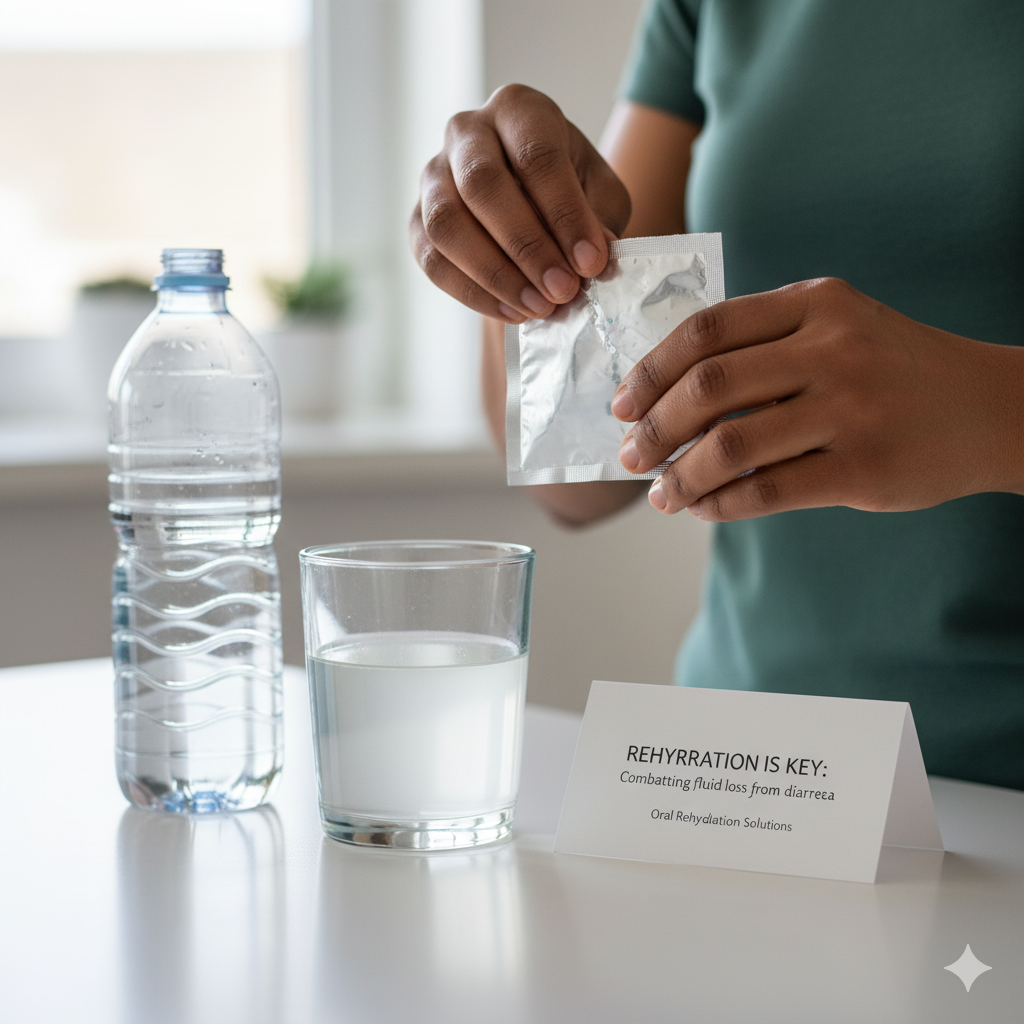
Electrolyte Balance – Use oral rehydration solutions (ORS) or sports drinks when ill or sweating heavily.
-
Eat Hydrating Foods – Fruits like watermelon, oranges, and cucumbers help replenish fluids.
-
Practice Food Safety – Wash produce, cook meats thoroughly, and avoid contaminated water.
-
Limit Irritants – Reduce caffeine, alcohol, and artificial sweeteners if they worsen diarrhea.
-
Probiotics for Gut Health – Foods like yogurt or kefir help restore gut bacteria balance.
Treatment Options
If you’re already dealing with dehydration and diarrhea, here’s how to manage it:
-
Mild Cases: Increase fluid intake, eat bland foods (bananas, rice, applesauce, toast — the BRAT diet).
-
Moderate Cases: Oral rehydration solutions with the right balance of salts and glucose.
-
Severe Cases: IV hydration therapy may be necessary, especially if you cannot keep fluids down.
IV Hydration for Dehydration & Diarrhea
At American IV, IV hydration therapy provides:
-
Rapid rehydration (fluids go directly into the bloodstream)
-
Electrolyte replenishment
-
Relief from fatigue, dizziness, and nausea
-
Faster recovery compared to oral intake
This is especially beneficial for athletes, frequent travelers, or anyone experiencing severe dehydration from illness.
When to See a Doctor
Seek medical help if you experience:
-
Diarrhea lasting longer than 3 days
-
High fever (above 101.5°F / 38.6°C)
-
Bloody stools
-
Severe abdominal pain
-
Signs of severe dehydration
FAQs About Dehydration and Diarrhea
1. Can dehydration make diarrhea worse?
Yes. Dehydration weakens the gut’s protective mechanisms, making diarrhea symptoms more severe.
2. How quickly can diarrhea cause dehydration?
It can occur within hours, especially in children and older adults.
3. What’s the best drink for diarrhea-related dehydration?
Oral rehydration solutions or IV fluids are best, as they restore electrolytes along with water.
4. Can IV therapy stop diarrhea?
IV therapy doesn’t cure diarrhea directly but rapidly corrects fluid and electrolyte imbalances, supporting faster recovery.
5. Can I prevent dehydration if I have diarrhea?
Yes, by drinking plenty of fluids with electrolytes and avoiding caffeine, alcohol, and high-sugar drinks.
Final Thoughts
So, does dehydration cause diarrhea? The answer is yes — dehydration and diarrhea are deeply interconnected. Dehydration can disrupt digestion and trigger loose stools, while diarrhea rapidly depletes the body of fluids and electrolytes.
Staying hydrated, eating a gut-friendly diet, and seeking medical care when necessary are the keys to breaking this cycle. For severe cases, IV hydration therapy offers fast and effective relief, helping you restore balance and recover quickly.
At American IV, we specialize in customized hydration solutions to help you stay healthy, energized, and resilient year-round.