
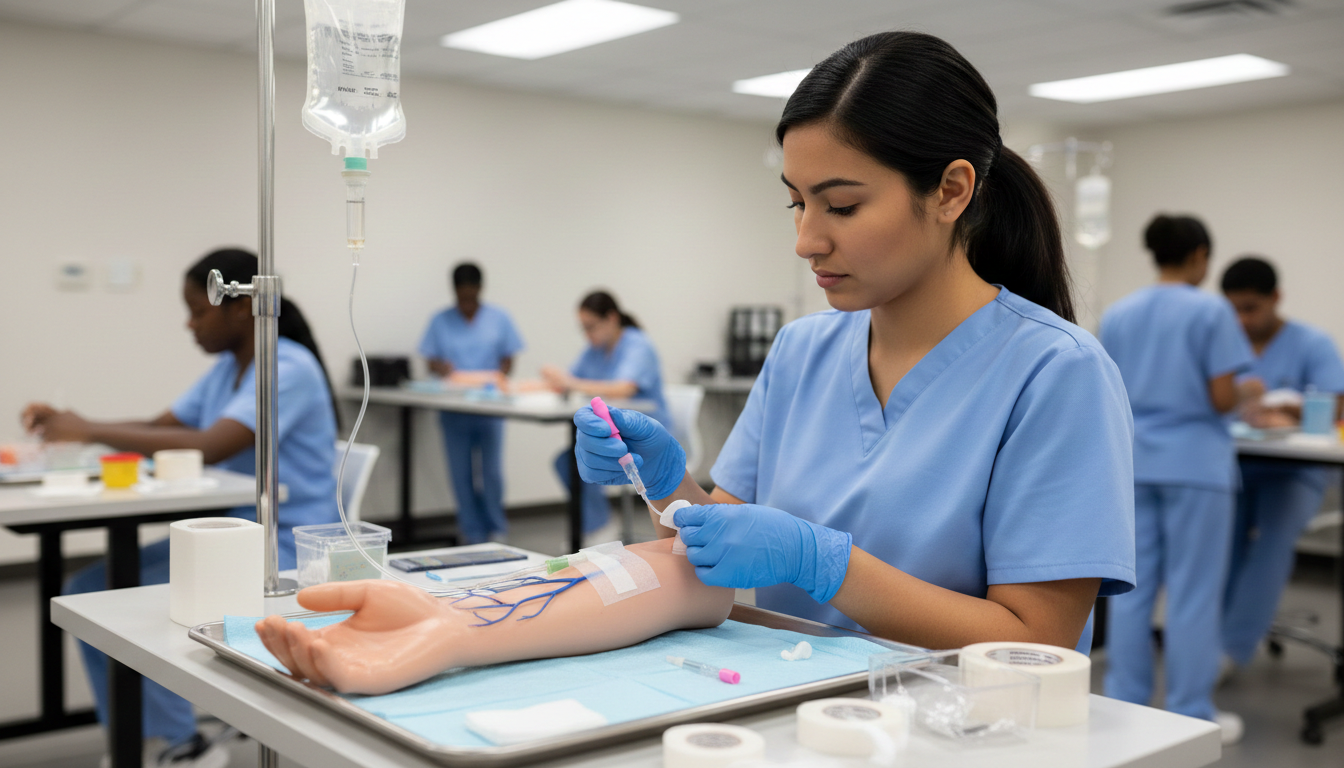
The healthcare industry is evolving rapidly, and one of the fastest-growing specialties today is IV therapy. From wellness clinics to hospitals and mobile IV services, trained professionals are in high demand. If you’re a nurse, paramedic, or healthcare provider looking to expand your skill set, enrolling in classes for IV certification can open doors to new career opportunities, higher income potential, and greater professional flexibility.
This comprehensive guide will help you understand what IV certification is, why it matters, what to expect from training programs, and how to choose the best course for your career goals. Whether you’re just starting or upgrading your skills, this blog is your roadmap to success.
What Is IV Certification and Why Does It Matter?
IV (Intravenous) certification is specialized training that teaches healthcare professionals how to safely administer fluids, medications, and nutrients directly into a patient’s bloodstream.
Why IV Certification Is Important
- Ensures patient safety and reduces complications
- Enhances clinical skills and confidence
- Expands career opportunities in hospitals and wellness clinics
- Allows entry into the booming IV therapy and hydration industry
With the rise of preventive healthcare and wellness services, IV therapy has become a sought-after treatment, making certified professionals more valuable than ever.
Who Should Take IV Certification Classes?
IV certification is ideal for a wide range of healthcare professionals, including:
- Registered Nurses (RNs)
- Licensed Practical Nurses (LPNs)
- Nurse Practitioners (NPs)
- Paramedics and EMTs
- Medical Assistants (depending on state regulations)
If you’re planning to work in IV therapy clinics or start your own mobile IV business, proper certification is essential for both legal compliance and patient trust.
What You’ll Learn in IV Certification Training
High-quality IV training programs cover both theoretical knowledge and hands-on practice. Here’s what you can expect:
Core Topics Covered
- Anatomy and physiology of veins
- IV catheter insertion techniques
- Fluid and electrolyte balance
- Infection control and safety protocols
- Complication management (e.g., infiltration, phlebitis)
Hands-On Skills
- Vein selection and cannulation
- Administering IV fluids and medications
- Using IV equipment and devices
- Patient assessment and monitoring
Practical training is crucial because it builds confidence and ensures you can perform procedures safely in real-world settings.
Types of IV Certification Courses Available
Not all IV courses are the same. Understanding the different formats can help you choose the right one.
1. Online IV Certification Courses
- Flexible and self-paced
- Ideal for theoretical learning
- Limited hands-on experience
2. In-Person Training
- Instructor-led sessions
- Real-time feedback and supervision
- Hands-on clinical practice
3. Hybrid Programs
- Combination of online theory and in-person practice
- Best balance of flexibility and practical experience
How to Choose the Best IV Certification Class
Selecting the right program is critical for your success. Here are key factors to consider:
1. Accreditation and Credibility
Choose a course offered by a reputable organization or training provider. Accreditation ensures the program meets industry standards.
2. Hands-On Training Opportunities
Look for courses that include practical sessions. Real-world practice is essential for mastering IV skills.
3. Experienced Instructors
Qualified trainers with clinical experience provide valuable insights and mentorship.
4. Course Curriculum
Ensure the program covers both basic and advanced IV therapy techniques.
5. Certification Recognition
Make sure the certification is accepted in your state or country.
Benefits of Taking IV Certification Classes
Enrolling in a professional IV course offers numerous advantages:
Career Growth
Certified professionals often have access to better job opportunities and higher salaries.
Increased Confidence
Hands-on training helps you perform procedures with accuracy and confidence.
Business Opportunities
IV certification allows you to start your own mobile IV therapy business or wellness clinic.
Versatility
Work in hospitals, clinics, spas, or private practice settings.
IV Therapy Industry Trends and Opportunities
The global IV therapy market is experiencing rapid growth due to increasing demand for wellness treatments and preventive healthcare.
Key Trends
- Rise of mobile IV therapy services
- Increased focus on hydration and nutrient therapy
- Growing popularity among athletes and busy professionals
According to industry insights, the IV hydration market is expected to grow significantly over the next decade, making this a smart career investment.
Comparison Table: Online vs In-Person IV Certification
| Feature | Online Courses | In-Person Training | Hybrid Programs |
|---|---|---|---|
| Flexibility | High | Low | Medium |
| Hands-On Practice | Limited | Extensive | Moderate to High |
| Cost | Lower | Higher | متوسط |
| Learning Experience | Theory-focused | Practical-focused | Balanced |
| Best For | Busy professionals | Beginners | Most learners |
Tips for Success in IV Certification Training
- Practice regularly to build confidence
- Ask questions during hands-on sessions
- Stay updated with the latest IV techniques
- Follow safety and hygiene protocols strictly
- Network with instructors and peers
Common Mistakes to Avoid
- Choosing unaccredited courses
- Ignoring hands-on training
- Not checking local regulations
- Rushing through theoretical learning
- Underestimating patient safety protocols
Conclusion
Investing in classes for IV certification is a powerful step toward advancing your healthcare career. With the growing demand for IV therapy services, certified professionals are well-positioned to thrive in a competitive and rewarding industry.
Whether you aim to work in a clinical setting or launch your own IV therapy business, the right training will equip you with the skills, confidence, and credibility needed to succeed.
FAQs
1. How long does IV certification take?
Most courses can be completed within 1–3 days for intensive programs or a few weeks for online options.
2. Is IV certification worth it?
Yes, it enhances your skills, increases earning potential, and opens new career paths.
3. Can I take IV certification online?
Yes, but it’s recommended to choose programs that include hands-on training.
4. What is the cost of IV certification classes?
Costs vary from $100 to $1000+, depending on the course type and provider.
5. Do I need a medical background for IV certification?
Yes, most programs require a healthcare background such as nursing or paramedics.