
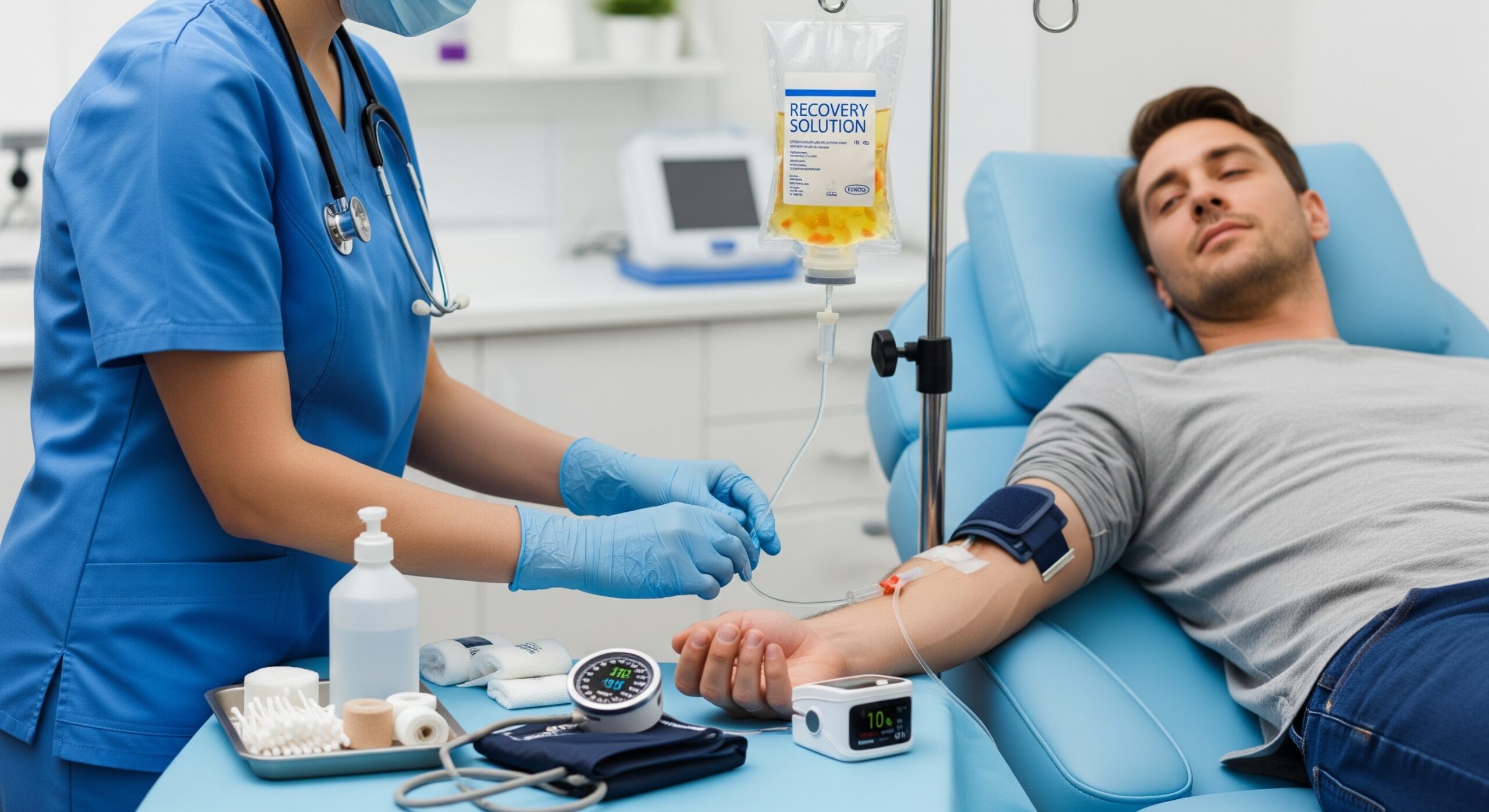
Waking up with a severe headache, nausea, fatigue, and dehydration after a night of heavy drinking is more than just discomfort—it is a physiological stress response. A hangover medical procedure is a clinically guided method designed to address the underlying causes of hangover symptoms rather than masking them. Unlike home remedies, medical intervention focuses on restoring hydration, correcting electrolyte imbalances, and supporting the body’s natural detoxification process safely and efficiently.
Alcohol affects multiple systems in the body, including the nervous system, gastrointestinal tract, and cardiovascular function. When symptoms are intense or persistent, a medical approach becomes the most effective way to recover quickly and responsibly. This article explains how medical hangover treatments work, why they are effective, and when professional care is the right choice.
Understanding What a Hangover Really Is
A hangover is not a single condition—it is a collection of symptoms caused by alcohol’s metabolic effects. Ethanol acts as a diuretic, increasing urine output and leading to dehydration. It also disrupts sleep cycles, irritates the stomach lining, lowers blood sugar, and causes inflammation throughout the body.
When alcohol is broken down, it produces acetaldehyde, a toxic compound that contributes to headaches, nausea, and rapid heartbeat. At the same time, essential electrolytes such as sodium, potassium, and magnesium are lost. These combined effects explain why hangovers can feel debilitating rather than mildly uncomfortable.
Medical professionals approach hangovers by addressing these physiological disruptions directly instead of relying on guesswork.
What Is a Medical Hangover Treatment?
A medical hangover treatment is a supervised clinical service that restores the body’s balance after alcohol consumption. It typically includes hydration therapy, electrolyte replacement, and targeted nutritional support. In some cases, anti-nausea or headache relief medications may be administered under medical supervision.
Unlike over-the-counter solutions, medical treatment bypasses the digestive system, allowing nutrients and fluids to enter the bloodstream directly. This leads to faster symptom relief and more complete recovery.
These treatments are commonly offered in medical clinics, wellness centers, or through licensed mobile healthcare providers.
Why Hydration Alone Is Not Enough
Many people attempt to treat hangovers by drinking water or sports drinks. While hydration helps, it does not fully correct electrolyte loss or vitamin depletion. Additionally, nausea and vomiting can make oral hydration ineffective.
Medical therapy delivers fluids intravenously, allowing the body to rehydrate rapidly without stressing the stomach. Electrolytes are balanced precisely, and vitamin deficiencies—particularly B-complex vitamins—are corrected efficiently.
This is why clinical intervention consistently outperforms home remedies in both speed and effectiveness.
Components of a Professional Hangover Medical Procedure
A medically supervised hangover recovery plan typically includes the following elements:
1. Intravenous Fluids
Fluids restore plasma volume, improve circulation, and relieve dehydration-related symptoms such as dizziness and fatigue.
2. Electrolyte Replacement
Alcohol depletes essential minerals that regulate muscle function, nerve signaling, and heart rhythm. Medical therapy replenishes these safely.
3. Vitamin Support
B vitamins and vitamin C support energy metabolism and immune function, both of which are compromised after alcohol intake.
4. Symptom-Specific Care
Licensed professionals may address nausea, headaches, or acid reflux using clinically approved methods when appropriate.
Each component works together to normalize bodily function rather than simply suppressing discomfort.
Who Benefits Most From Medical Hangover Care?
While mild hangovers may resolve on their own, medical treatment is especially beneficial for:
-
Individuals experiencing severe dehydration
-
People with nausea preventing oral intake
-
Professionals needing rapid recovery
-
Travelers affected by alcohol and jet lag
-
Individuals with repeated or worsening symptoms
A medical approach is also safer for people who want symptom relief without risking further stomach irritation or improper supplement use.
Safety and Medical Oversight
A major advantage of professional care is safety. Licensed clinicians assess hydration levels, medical history, and overall condition before treatment. This reduces risks associated with improper fluid intake or unregulated supplements.
According to established clinical standards supported by organizations such as the Infusion Nurses Society, proper administration techniques and monitoring significantly improve patient outcomes and safety.
Medical supervision ensures that recovery is effective without compromising health.
How Long Does Recovery Take?
Most patients report noticeable improvement within 30 to 60 minutes of treatment. Headaches ease, nausea subsides, and energy levels begin to return as hydration and electrolytes normalize.
Full recovery varies depending on alcohol intake, body weight, metabolism, and overall health, but medical therapy consistently shortens recovery time compared to rest alone.
The Difference Between Medical Treatment and Myths
Common hangover myths include drinking more alcohol, excessive caffeine intake, or unverified supplements. These methods may temporarily mask symptoms but often worsen dehydration or increase heart strain.
Medical care is grounded in physiology and evidence-based practice. It supports the body’s natural healing mechanisms rather than working against them.
This distinction is why clinical hangover services are increasingly preferred by health-conscious individuals.
Long-Term Health Considerations
Repeated severe hangovers may signal excessive alcohol stress on the body. While medical treatment helps recovery, it should not replace responsible alcohol consumption.
Healthcare professionals often use hangover visits as opportunities to educate patients on hydration, nutrition, and moderation—supporting both immediate relief and long-term wellness.
When to Seek Medical Attention Immediately
Seek urgent care if hangover symptoms include:
-
Persistent vomiting
-
Confusion or disorientation
-
Chest pain
-
Severe weakness
-
Signs of alcohol poisoning
Medical hangover therapy is intended for recovery—not emergencies—so knowing the difference is critical.
Frequently Asked Questions (FAQ)
Is a medical hangover treatment safe?
Yes, when provided by licensed healthcare professionals, it follows established clinical protocols and safety standards.
How is it different from drinking fluids at home?
Medical treatment delivers fluids and nutrients directly into the bloodstream, offering faster and more effective relief.
Can it help with nausea and headaches?
Yes. Rehydration and electrolyte correction significantly reduce these symptoms.
How long does a session take?
Most sessions last between 30 and 60 minutes, depending on individual needs.
Is it suitable for frequent travelers?
Yes. It is often used to address dehydration, fatigue, and nutrient loss associated with travel and alcohol.
Final Thoughts on Medical Hangover Recovery
A hangover is more than a temporary inconvenience—it reflects real physiological strain. A hangover medical procedure offers a structured, safe, and effective way to recover by addressing dehydration, nutrient loss, and systemic imbalance at their source. For individuals seeking fast relief without guesswork, medically guided care provides a responsible and results-driven solution.