
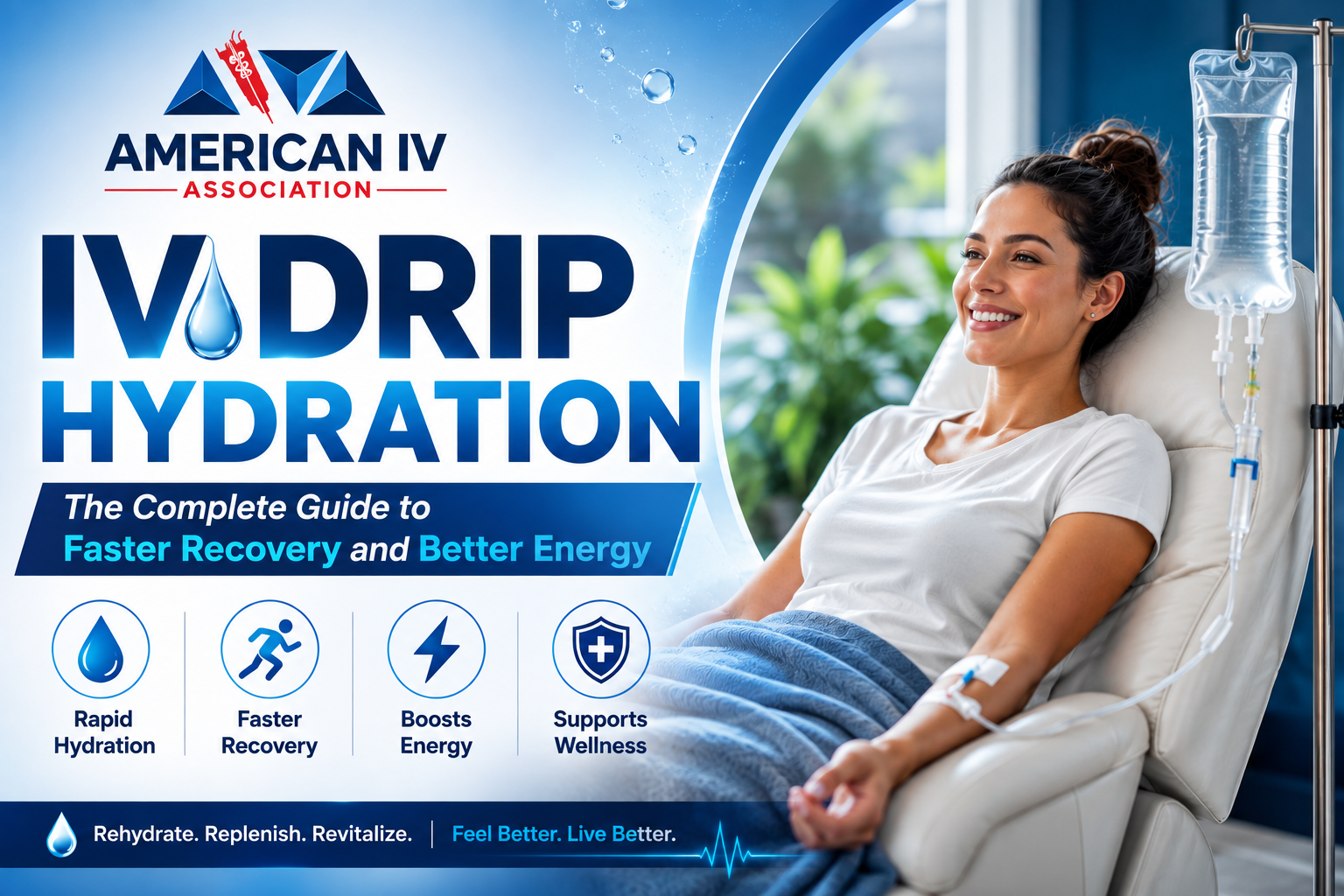
Picture this: you’re running on four hours of sleep, three cups of coffee, and sheer willpower. Or maybe last night’s celebration is making itself known in the worst way possible. Enter the wellness trend that’s taken over spas, clinics, and even mobile “drip trucks” parked outside gyms and hotels — IV drip hydration. Once reserved for hospital beds, this treatment now promises faster recovery, sharper energy, and relief that a bottle of water simply can’t match. But is it actually worth the hype, or just a trendy needle prick with a good Instagram angle? Let’s break down what’s really happening in that bag, who it helps most, and what the science actually says.
What Is It, Exactly?
At its core, this treatment delivers fluids — typically a sterile saline or electrolyte solution, often boosted with vitamins and minerals — straight into your bloodstream through a small needle in your arm. Because it skips your digestive system entirely, your body absorbs it immediately and completely. Compare that to a glass of water, which has to travel through your stomach and intestines before any of it reaches your cells.
A typical session runs 30 to 60 minutes and is administered by a licensed nurse or medical professional, whether you’re lying back in a wellness lounge, a clinic chair, or your own couch via a house-call service.
How the Treatment Actually Works
Once the line is in, fluid drips steadily into your vein at a controlled rate. The base solution mimics your body’s natural fluid balance — water, sodium, potassium, and other electrolytes. From there, providers typically offer add-ins tailored to different goals:
- B vitamins (like B12) — commonly used for energy support
- Vitamin C — marketed for immune support
- Magnesium — often included for muscle relaxation and cramp relief
- Zinc — included for general immune function
- Glutathione — an antioxidant promoted for skin clarity and “detox”
- Anti-nausea or anti-inflammatory medications — used in more clinical, symptom-specific formulas
Because these nutrients bypass digestion, your body doesn’t need to break them down the way it would with a pill or a meal — which is the core reason this method has become so popular.
Who Actually Benefits Most
People recovering from a rough night. Alcohol is a diuretic — it flushes fluids and electrolytes out of your system faster than you’re replacing them. A hydration session can restore what was lost more quickly than water alone.
Athletes and heavy sweaters. Intense training or exercising in extreme heat can cause serious fluid and sodium loss. Many athletes use this treatment to recover faster between events or competitions.
People dealing with illness. In clinical settings, this is a well-established treatment for dehydration caused by vomiting, diarrhea, or an inability to keep fluids down — it’s not just a wellness trend, it’s a proven medical tool.
Frequent travelers. Long flights, jet lag, and dry cabin air can leave you feeling drained, which is why airport lounges and hotels increasingly offer this as a recovery option.
Anyone chasing a wellness reset. Plenty of people simply treat it as a self-care ritual — similar to a massage or facial — rather than a response to any specific problem.
Organizations like the American IV Association exist specifically to set safety standards and training benchmarks for providers offering this kind of care, which is a good sign of how far the industry has come from its early “wellness trend” days.
What the Research Really Shows
It’s worth separating solid medical evidence from marketing language. For genuine dehydration caused by illness, heat exposure, or intense exertion, this treatment is well-established and effective — it’s why hospitals have relied on it for decades.
For the wellness market, the evidence gets shakier. If you’re generally healthy and only mildly dehydrated, your kidneys and gut are usually well equipped to rebalance things on their own once you start drinking water. Bold claims about boosted immunity, “detoxing,” or dramatic energy spikes are largely based on testimonials rather than strong clinical research. Some nutrients, like vitamin C, are water-soluble — meaning your body simply flushes out what it doesn’t use, so more isn’t automatically better.
Safety: What to Know Before You Book
This treatment is generally low-risk when handled by a qualified professional using sterile equipment, but it’s not entirely risk-free:
- Infection risk at the injection site if not administered properly
- Bruising or vein irritation
- Allergic reactions to added vitamins or medications
- Electrolyte imbalance if the wrong formula or rate is used
- Cost — sessions typically run $100–$300+ and are rarely covered by insurance for non-medical use
If you have kidney, heart, or blood pressure conditions, check with your doctor first — added fluid and electrolyte load can affect these conditions more than people expect. If you’re evaluating a provider, look for one that follows recognized industry standards — the American IV Association’s resource library is a solid place to check on best practices and provider training.
The Low-Cost Alternative Worth Trying First
For most people, most of the time, plain water and a balanced diet accomplish the same core goal: keeping your fluids and electrolytes in check. Oral rehydration solutions — the kind used to treat dehydration in kids — are also highly effective and far cheaper. The real advantage of an IV session is speed and completeness of absorption, which matters in specific situations, but it’s not a magic shortcut that beats good hydration habits for everyday wellness.
Bottom Line
This isn’t a scam, but it isn’t magic either. It’s a legitimate medical tool that’s found a second life as a wellness trend — genuinely useful for real dehydration, hangovers, or athletic recovery, but not a guaranteed energy hack for someone who’s simply tired. Choosing a reputable, licensed provider matters more than any add-in on the menu.
Ready to Feel Your Best?
If you’re constantly running on empty, dealing with post-workout burnout, or just want to recover faster after a big night out, don’t wait until you’re depleted to do something about it. Our certified nurses bring hospital-grade IV drip hydration straight to you — no appointments, no waiting rooms, just fast, professional care on your schedule.
👉 Sign up below to book your first session and get exclusive access to first-time customer pricing:
Interested in the provider side of the industry? Learn more about training, certification, and standards through the American IV Association.